Why NASA SkyFall Mars Helicopters Ride a Nuclear Rocket
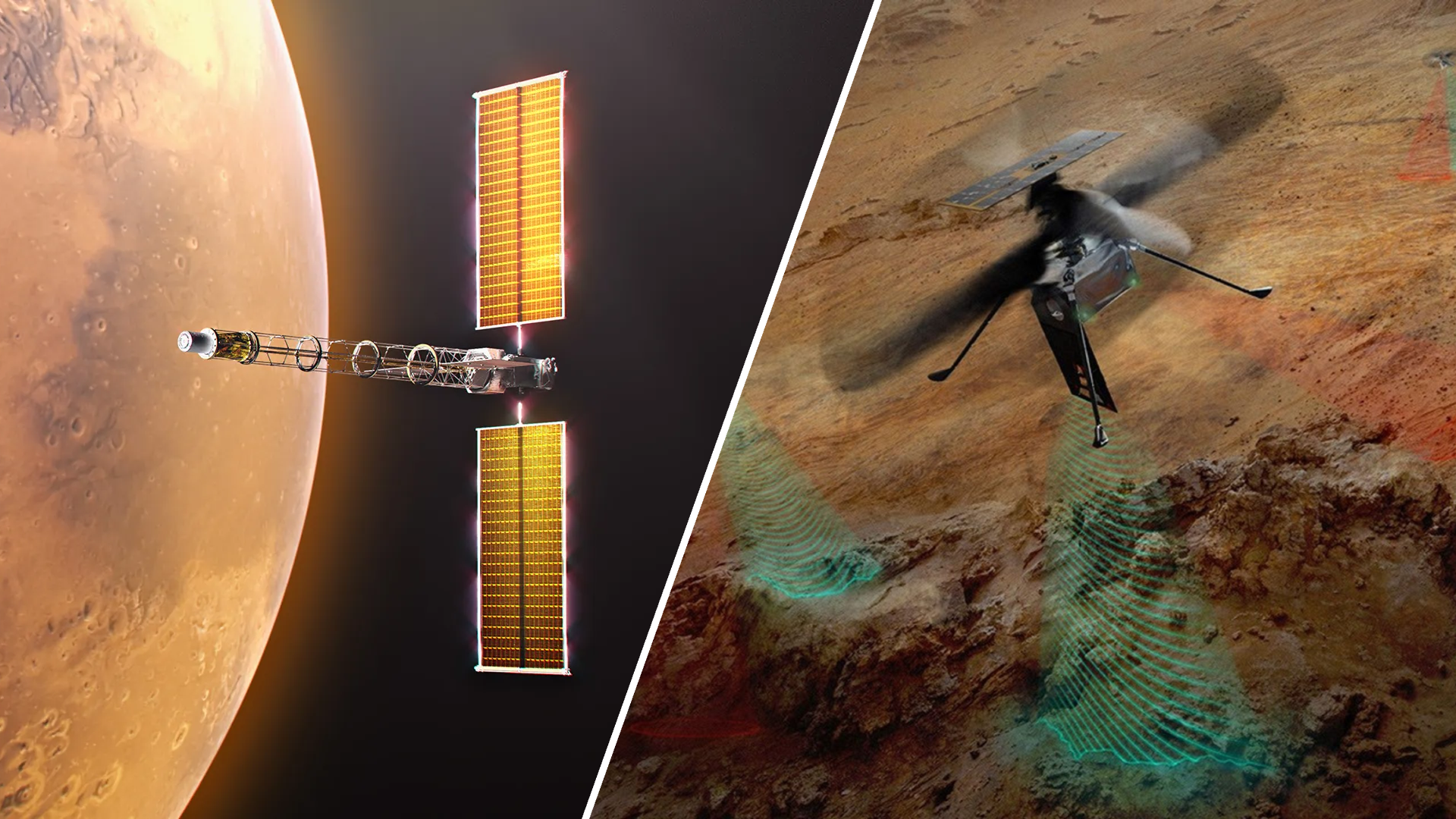
NASA is planning to send its new SkyFall Mars helicopters into space on top of a powerful nuclear rocket. Experts are calling this surprising pairing a shotgun marriage between two very different space tools. The bold mission aims to push the limits of how we travel to the Red Planet.
Why are NASA SkyFall Mars helicopters riding on a nuclear rocket?
NASA wants to get its next group of flying probes to deep space much faster than before. Nuclear rockets generate massive amounts of power compared to normal gas tanks, which cuts down the long trip to space. By riding this advanced engine, the SkyFall craft can reach their target with plenty of energy to spare.
Building small flying vehicles for another world is very hard because the air on Mars is extremely thin. Carrying them on a heavy nuclear vehicle gives engineers a unique way to launch heavy gear safely. It gives the whole flight plan extra thrust right from the moment it leaves our world behind.
What makes this space team unusual
Combining lightweight aerial drones with a heavy atomic engine is not a normal choice for space agencies. Most smaller probes take slow, quiet trips on basic commercial craft. Joining these two projects together means two high-tech ideas must work as one single unit.
This setup brings a few clear benefits for deep space work:
- It cuts down the total time astronauts or probes spend out in harsh deep space.
- It allows the SkyFall craft to carry heavier cameras and scientific tools.
- It tests nuclear engines for future crewed trips to the Red Planet.
What this means for the future of space travel
Using atomic propulsion opens up fresh options for regular people looking toward the future of science. Fast trips mean we can learn about foreign worlds much quicker than in the past. Lessons learned from this flight could even help shape the ships that will one day carry human crews to establish camps on Mars.
Earlier robotic flights showed that flying tiny craft in thin Martian air is actually possible. If you look back at past supply flights to the space station, like SpaceX CRS-9, you can see how steady upgrades to launch hardware always help push new goals forward over time. Every new engine style brings us one step closer to smooth, fast travel across our solar system.
What to watch for as the mission moves forward
Engineers must still complete many safety tests before this nuclear engine meets the sky. Teams have to check every part of the SkyFall craft to ensure the strong rocket forces will not break delicate scientific gear. Watching these ground tests will tell us if the system is truly ready for its long trip.
The space community will keep a close eye on official build updates over the coming months. If this pair succeeds, future deep space projects will likely copy the design. It marks a big step forward in how we build ships for long journeys into the dark.


Comments
Post a Comment