Who Makes NASA's Rockets, And Where Are They Built?
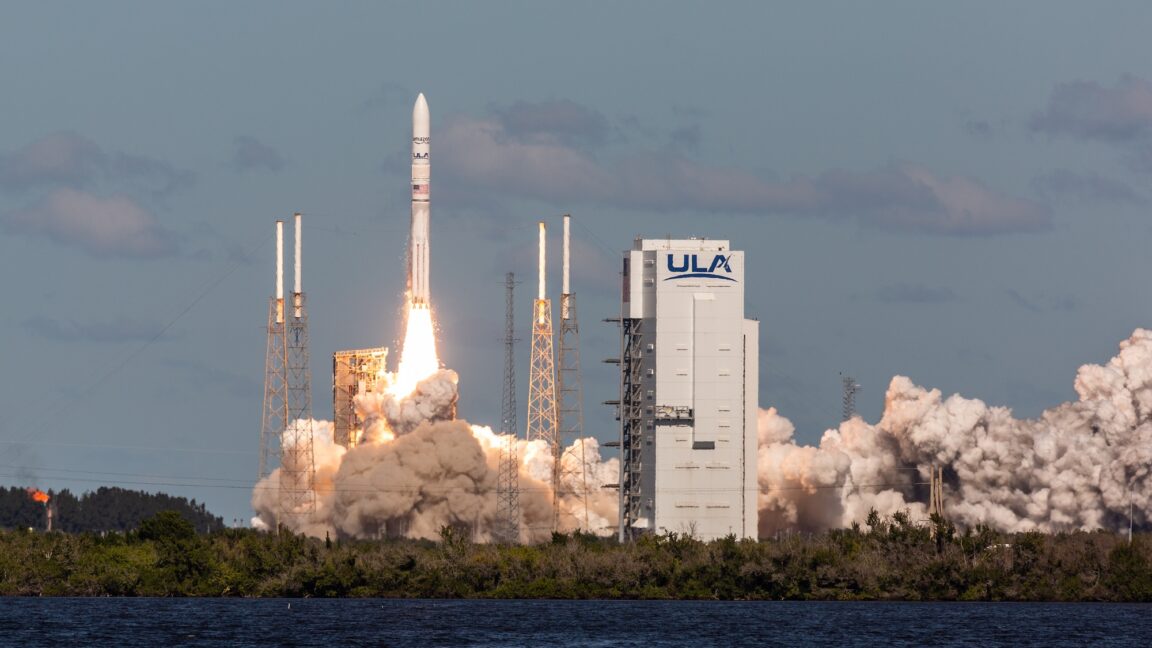
Many space fans want to know who makes NASA's rockets and where they are built. The short answer is that the space agency teams up with major aerospace companies all across the United States. Together, these teams design, assemble, and test the massive boosters that fly into orbit.
Who makes NASA's rockets, and where are they built?
People often ask this simple question because they only see the spacecraft on the launchpad. The truth is that private aerospace contractors build the parts in large manufacturing hubs located across several states. NASA sets the mission goals and checks the designs, but partner companies do the heavy lifting in specialized factories.
After workers finish the rocket stages, teams transport them by barge, train, or giant cargo planes. Many of these massive rocket boosters travel down rivers to reach the coast. From there, they head to launch bases like the Kennedy Space Center in Florida, where final assembly takes place inside huge hanger buildings.
What this means for local jobs and everyday people
Building these giant machines takes thousands of skilled technicians, welders, and engineers. The work creates good jobs in many communities that are far away from the Florida launchpads. High school and college students can learn practical trades and join teams that build real space hardware.
The money spent on building rockets spreads across hundreds of small suppliers. Local machine shops craft specialized valves, metal plates, and wire bundles for these vehicles. When the space program stays active, it supports local towns and trains the next generation of American builders.
- Private aerospace companies design and build major rocket parts.
- Factories spread across multiple states produce engines, tanks, and boosters.
- Massive parts travel by water and road for final launch assembly.
How rocket manufacturing changed over the years
In the early days of spaceflight, government teams managed every small bolt and sheet of metal. Today, commercial partners take on more responsibility for building and testing their own hardware. This shift helps the agency focus on deep space science while companies improve assembly lines.
Modern factories now use large metal printers and automated tools to build lighter fuel tanks. These new methods help reduce mistakes and speed up production schedules. As factory tools improve, builders can produce safer rockets at a much faster pace.
What space fans should watch for next
Look for upcoming reports on heavy rocket stages moving out of factory gates. Whenever a new booster rolls out onto a transport barge, it marks a huge step toward launch day. Watching these giant parts move across the country shows just how much work goes into a single flight.
You can also track updates from the factory floors as teams finish new boosters for deep space trips. More companies are setting up new production lines every single year. The future of space travel relies directly on these bustling workshops and the people who run them.


Comments
Post a Comment