NASA Rocket Engine Passes Dramatic 200 Second Test
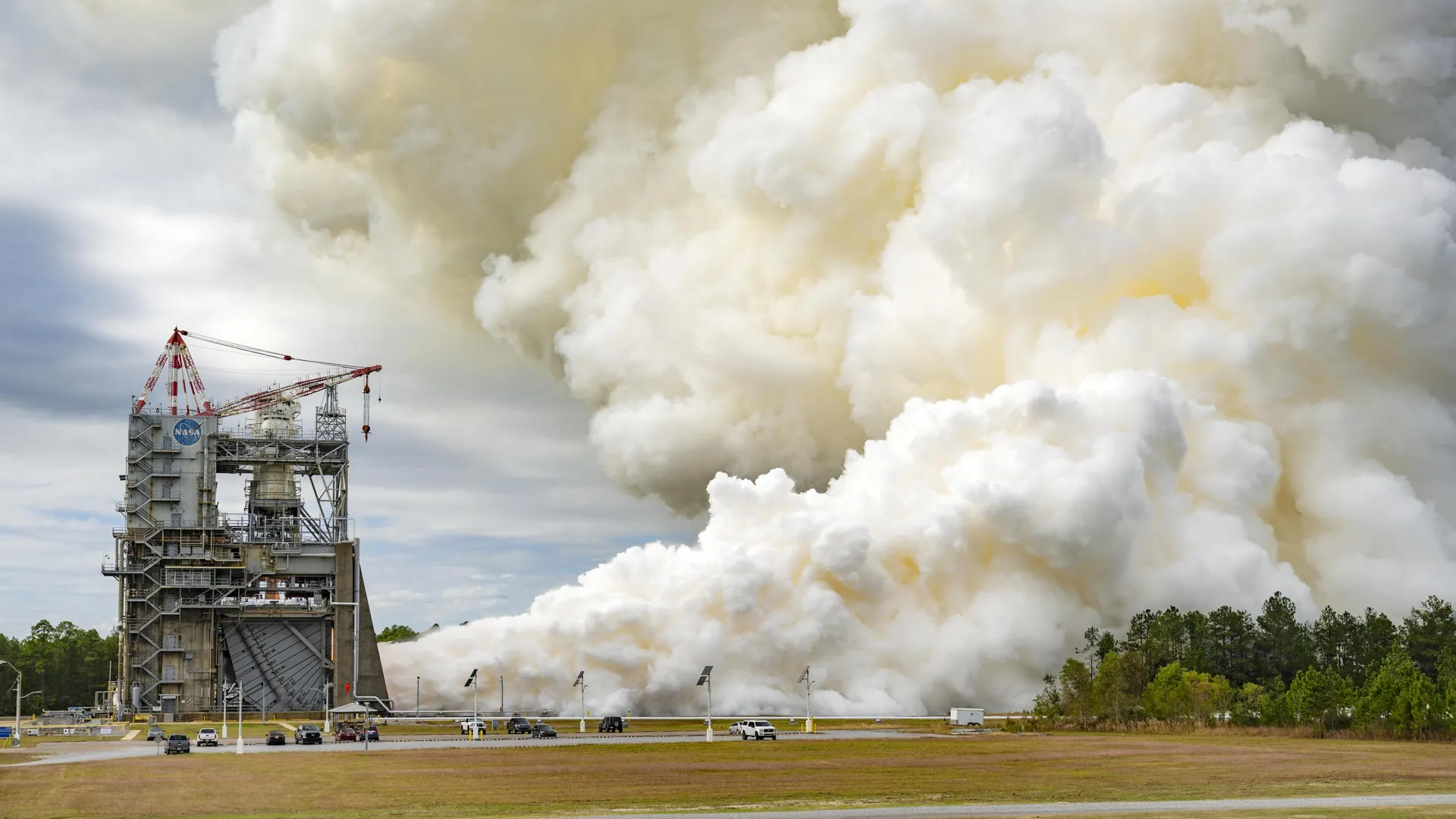
NASA just fired a powerful engine for its Moon rocket in a major new test. The engine burned bright for 200 seconds during the test run. This step helps engineers make sure the rocket is ready to carry astronauts to space.
What happened during the 200-second Moon rocket test?
NASA engineers started the test to check how the heavy engine works under high heat and pressure. The engine ran for 200 full seconds without stopping. Teams watched the fire and smoke to gather data on its strength.
A test like this lets workers spot any problems while the machine is still on the ground. Rocket engines need to burn super hot fuel for long periods to get off Earth. The team said the long test run was a dramatic success for the program.
Why are Moon rocket tests so important for space travel?
Building a machine strong enough to leave Earth is very hard work. A rocket engine must handle crazy heat, loud shakes, and massive pressure. Testing the parts on ground stands keeps the future astronauts safe before they sit on top of the fuel tanks.
Every second the engine runs gives scientists brand new numbers to study. If an engine works well for 200 seconds on a stand, it is much more likely to work out in space. These trials build confidence for the entire launch crew and the public.
Key facts about the latest NASA engine test
- The engine is built to power NASA's massive rocket for trips to the Moon.
- The test firing lasted for a total of 200 dramatic seconds.
- Engineers gathered important data to check engine safety and power.
- The test ground run brings humans closer to landing on the lunar surface again.
Testing these systems takes months of hard work by big teams of scientists. They set up heavy gear, load cold fuel, and check every valve before ignition. Every successful run proves that the design is ready for real missions.
What is next for the NASA Moon rocket project?
Now that the test is done, workers will look at all the data from the sensors. They will check the metal inside the engine to see how it handled the super hot flames. If everything looks good, the engine can be approved for an actual launch day.
More engine tests will happen as NASA builds even bigger rockets for long deep space trips. People around the world are watching these steps as humans get ready to walk on the Moon once more. We can expect more hot fire tests in the very near future.


Comments
Post a Comment