NASA Pairs SkyFall Mars Helicopters With Nuclear Rocket
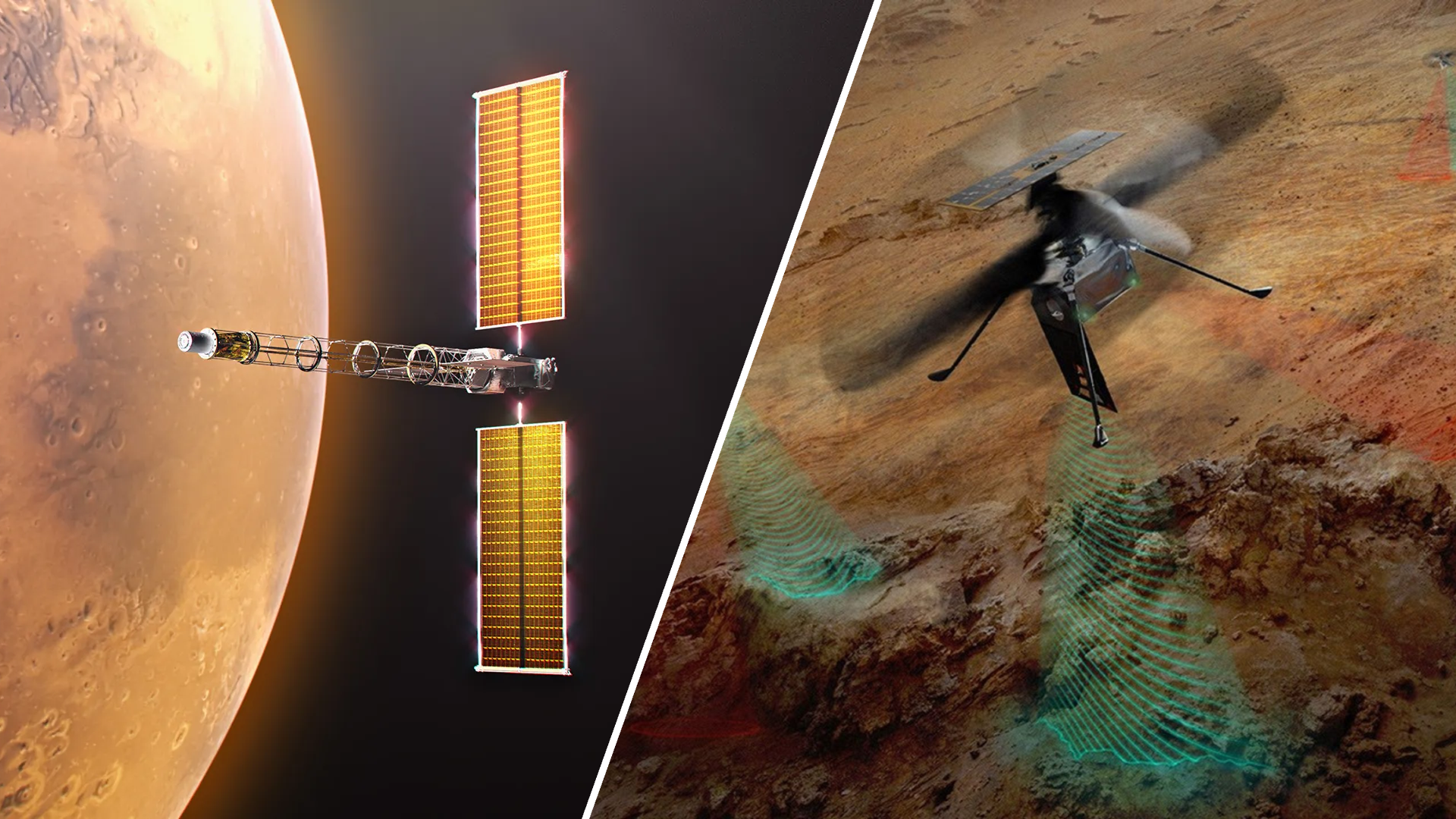
NASA wants to send its SkyFall Mars helicopters on a nuclear rocket. The new plan pairs the flying probes with atomic propulsion to reach the Red Planet. Experts call this unusual match a shotgun marriage between two very different space tools.
Why are NASA's SkyFall Mars helicopters riding on a nuclear rocket?
People want to know why these two systems are flying together. Going to Mars takes a long time, and regular chemical rockets need a lot of heavy fuel. A nuclear rocket can cut travel time and carry heavier gear across deep space.
Helicopters give scientists a bird eye view of the Martian surface. Putting them on a fast nuclear ship gets them to work much sooner. It allows the team to plan bigger science goals in one single launch.
What this unusual flight pairing means for Mars exploration
Flying helicopters on Mars is still a very fresh idea for space teams. Sending several craft at once means scouts can search wider ground and map dangerous rocks. Here are the main things this plan brings together:
- Fast travel across space using strong nuclear power.
- Advanced SkyFall helicopters made to fly in thin air.
- More scientific data collected in less time.
Nuclear propulsion also gives the ship plenty of energy for its long trip. That extra push helps keep fragile hardware safe from harsh space weather. Faster trips also mean less wear and tear on robotic systems before they even arrive.
What came before this bold Mars mission idea
Engineers worked on nuclear rocket engines for many decades without flying one to another world. At the same time, smaller flight tests proved that spinning blades can lift off in thin Martian air. Those earlier tests showed that aerial scouts really work on alien soil.
Past planners kept nuclear engines and small scout craft in separate boxes. Now, mission designers want to combine bold propulsion with clever flight tools. Future Mars goals, like the complex NASA-ESA Mars Sample Return effort, rely on lessons learned from creative tests like this.
What space fans should watch for next
Engineers must still build and test the full nuclear drive before launch day arrives. They also need to test how the SkyFall helicopters handle the vibrations of an atomic engine. Watching these ground tests will tell us if the idea works as planned.
If this mission succeeds, other deep space probes might copy the setup. Future trips to distant moons could carry their own flying drones on atomic boosters. Space watchers will see more updates as tests move from computer screens to actual launch pads.


Comments
Post a Comment